A proper oil boiler service is not a quick look and a sticker. These photos are from a Grant Vortex Pro System boiler I serviced today in Shillingford St George, on the outskirts of Exeter. The boiler was running, the customer had no complaints, and it still turned up three things that would have caused a breakdown this winter: a burner door board that is breaking up, a condensate trap packed with deposits, and a flexible oil line due for replacement. The trap was cleaned, the oil line was replaced, and the door board is booked in. Here is what I check on a Grant or Worcester oil boiler, why each step matters, and what it usually means when you ring to say the boiler is not firing up, has locked out, smells funny or the radiators are not getting warm.
Quick answer
An oil boiler service means removing the burner, cleaning the heat exchanger and baffles, replacing the nozzle, checking the oil line and filter, cleaning the condensate trap, then refitting and setting the burner up with a flue gas analyser. Allow about an hour and a half. My full oil boiler service is £170 for Grant and Worcester boilers across Exeter and the surrounding villages, and that price includes the nozzle and a new long-life oil line.
The boiler: a Grant Vortex Pro System
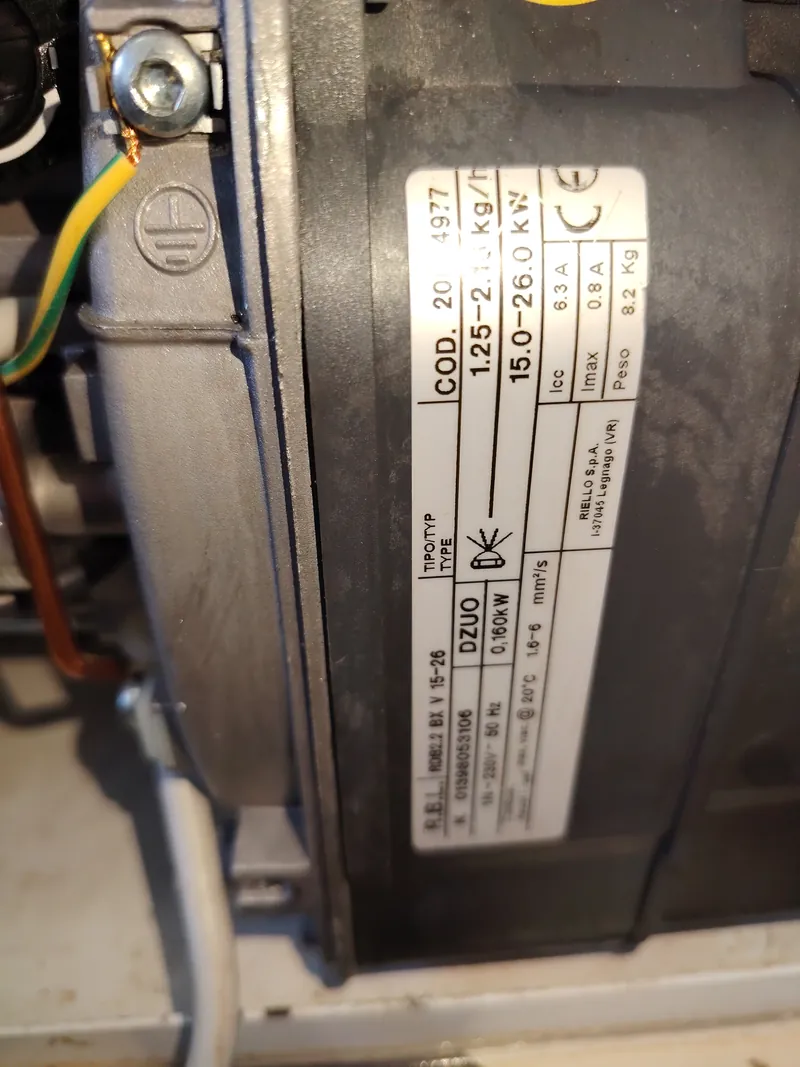
The Grant Vortex Pro is one of the most common oil boilers around Exeter, Crediton and the Exe valley villages where there is no mains gas. This one is the System model, so it heats a hot water cylinder as well as the radiators. It uses a Riello RDB burner, the same burner family fitted to most Grant and Worcester Heatslave oil boilers, which is why the service routine is so similar across both makes.
Finding 1: the burner door insulation board was breaking up
With the burner off and the combustion chamber door open, the first thing I saw was the insulation board on the door. It should be a flat, firm, pale board. This one was cracked across and crumbling at the edges. It is not leaking yet, the door seal is still doing its job, but it will not last another season.
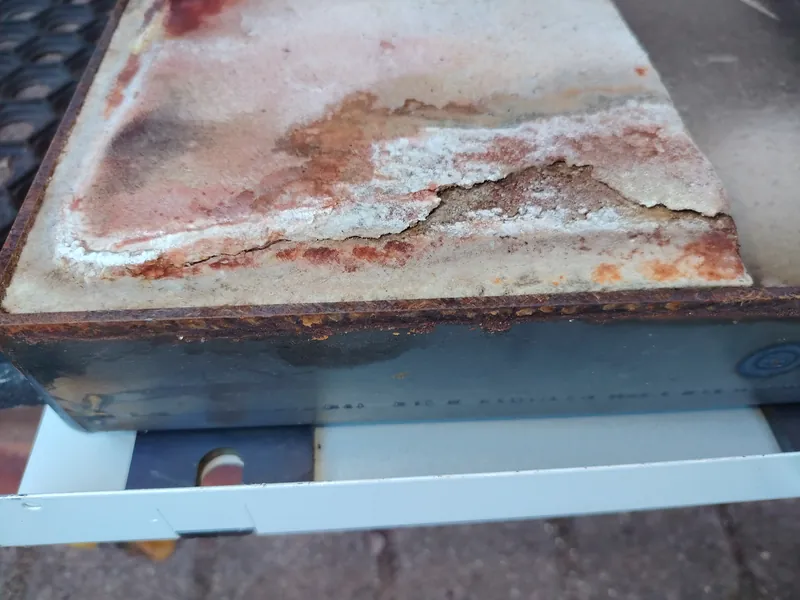
Why it matters: that board is what stops the heat of the flame reaching the steel door and the room side of the boiler. Once it fails, the door overheats, the seal goes, and you get flue gases and soot leaking into the boiler casing. Left long enough it will burn through. It is a cheap part to replace during a service and an expensive repair once the door itself is damaged, so this one is being changed before it gets to that stage. It is one of the few parts not covered by the service price, so the customer was given the cost first.
Finding 2: a condensate trap full of deposits
The Vortex is a condensing boiler, so it produces acidic condensate that drains away through a plastic trap. The trap on this boiler was heavily coated inside with white and rust-coloured sludge. That is a mix of limescale from the Exe valley's hard-ish water and corrosion products carried down from the heat exchanger.
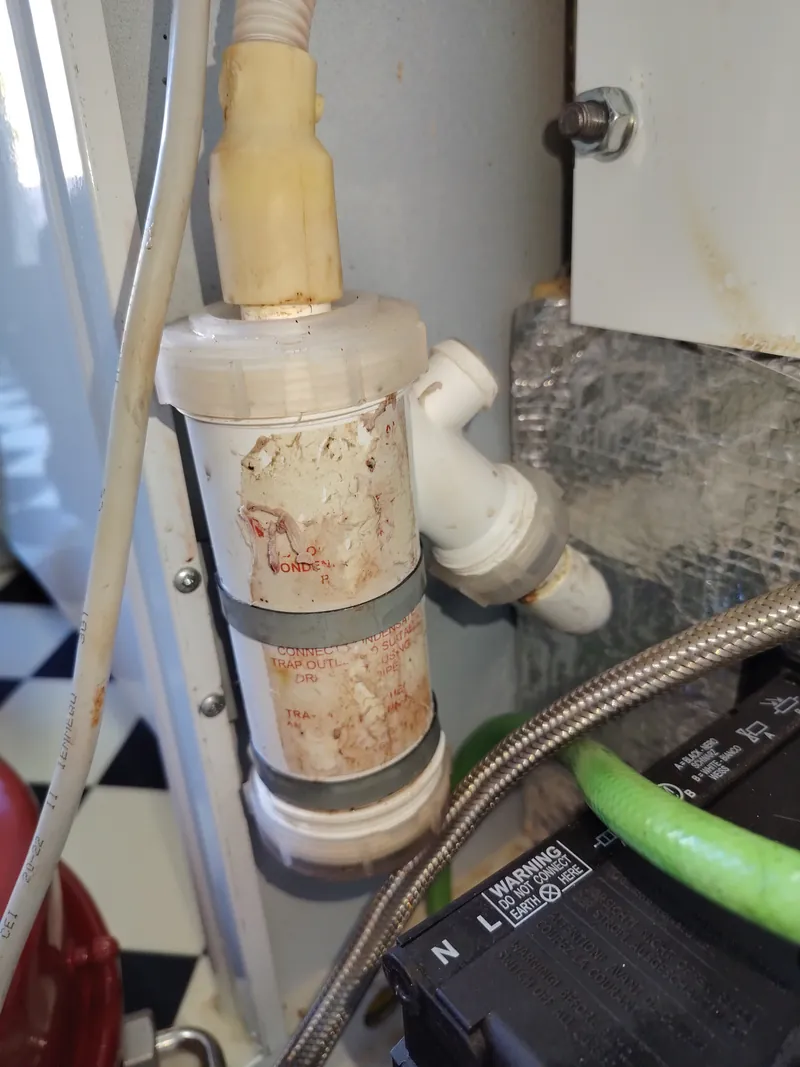
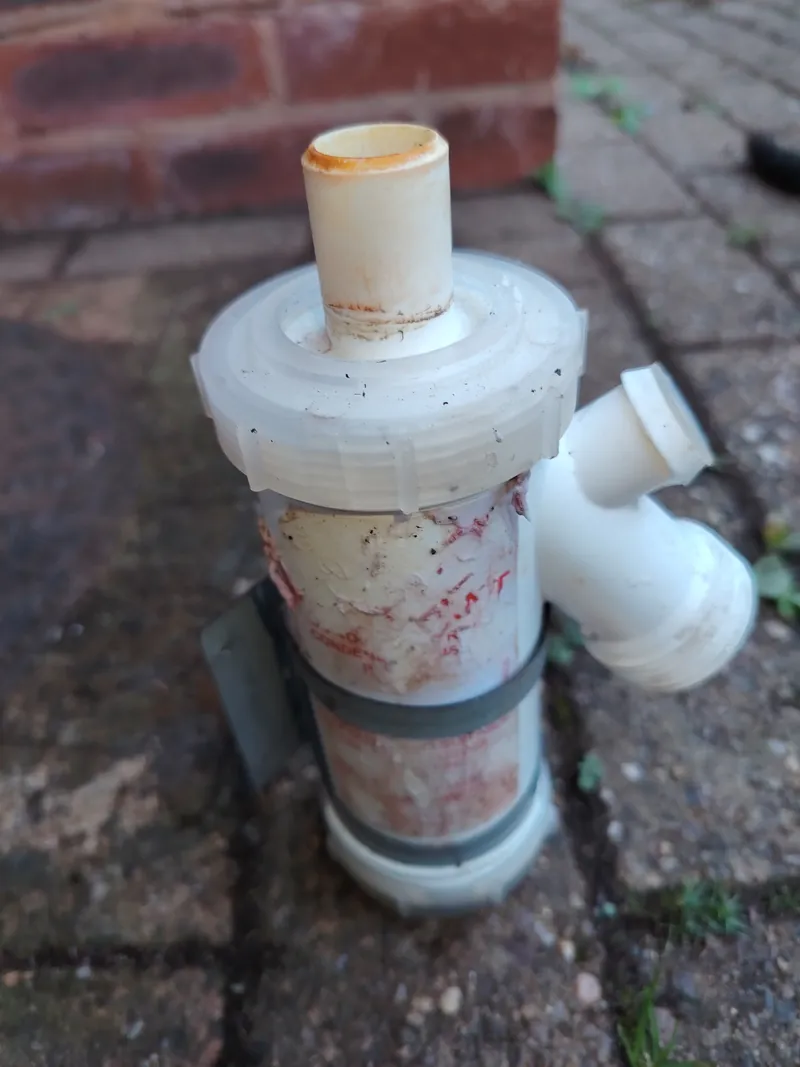
Why it matters: when the trap blocks, condensate backs up into the boiler. On a Grant that usually means a lockout on the first cold morning, and on a bad day water in the burner. A blocked or frozen condensate pipe is one of the top reasons I get called out to oil boilers between December and February. Cleaning the trap at every service, and refilling it with water so the seal is intact, is the fix.
Finding 3: the flexible oil line
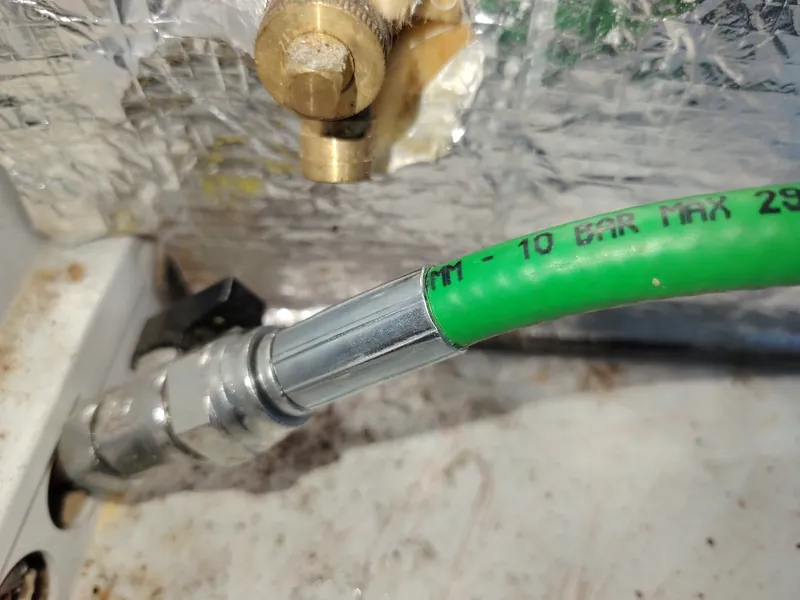
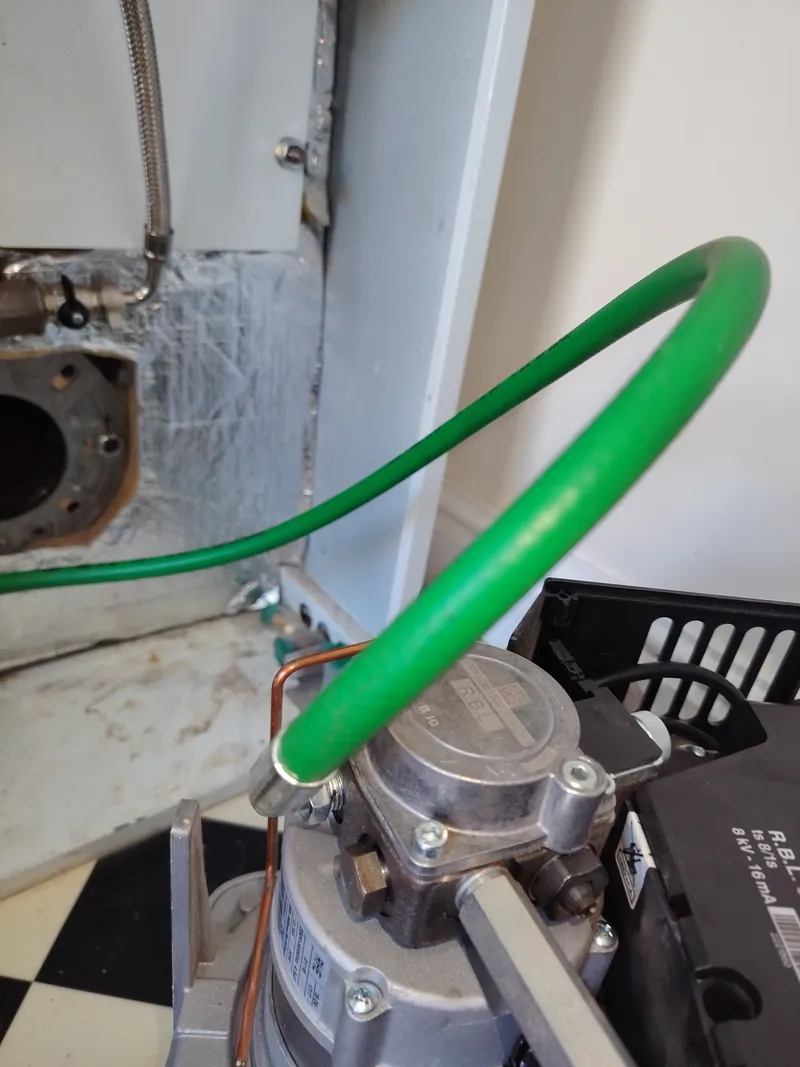
The burner is fed by a short flexible hose from the fire valve. These hoses have a date printed on them and a limited life, because the rubber hardens and the braiding corrodes. A split oil line means kerosene on the floor and a boiler that will not fire, so I check the date, the condition and the fittings on every service and replace the hose when it is due. This one was due, so it was replaced with a new hose and the joints checked for weeps with the burner running.
Setting the burner up again
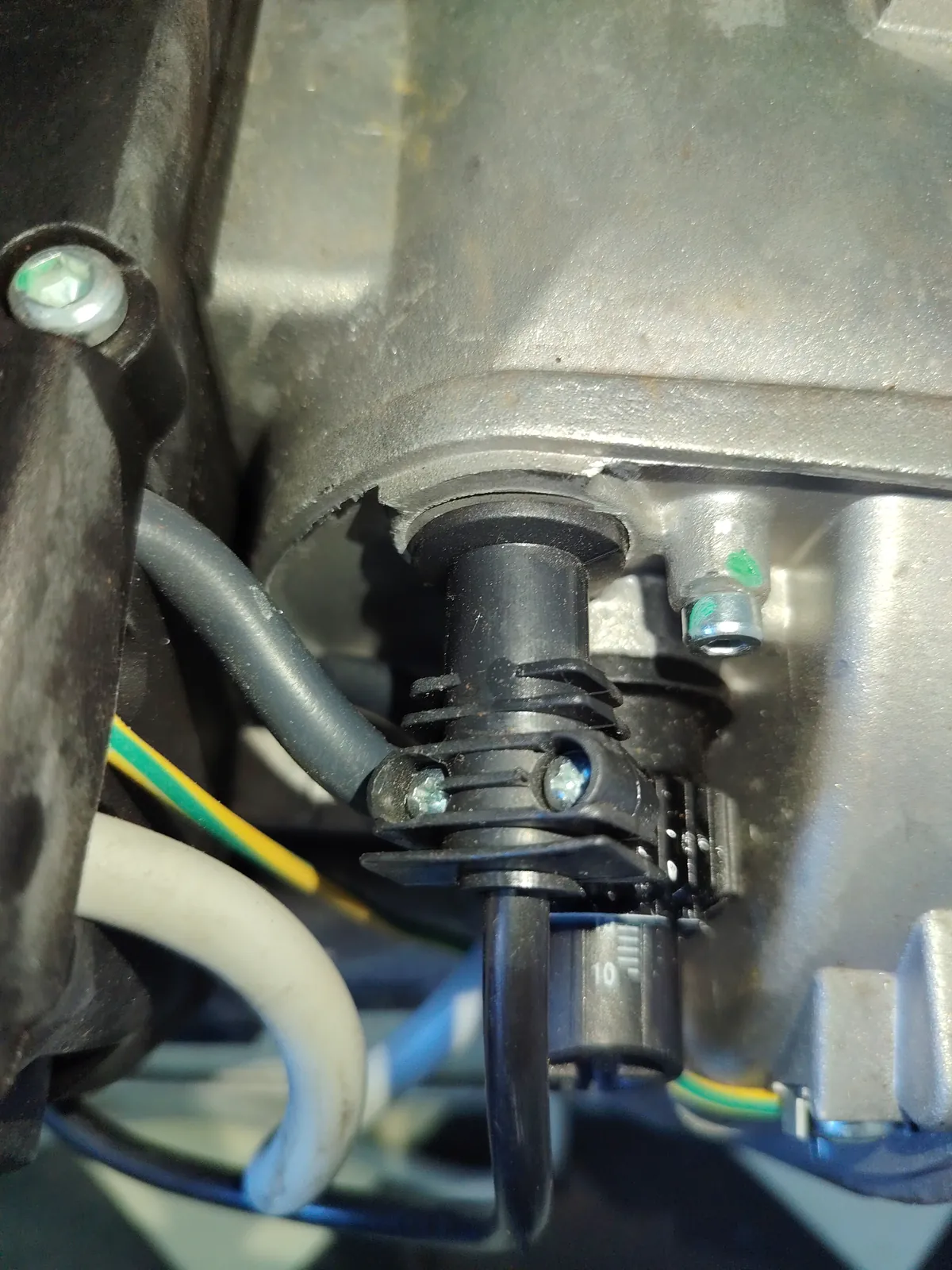
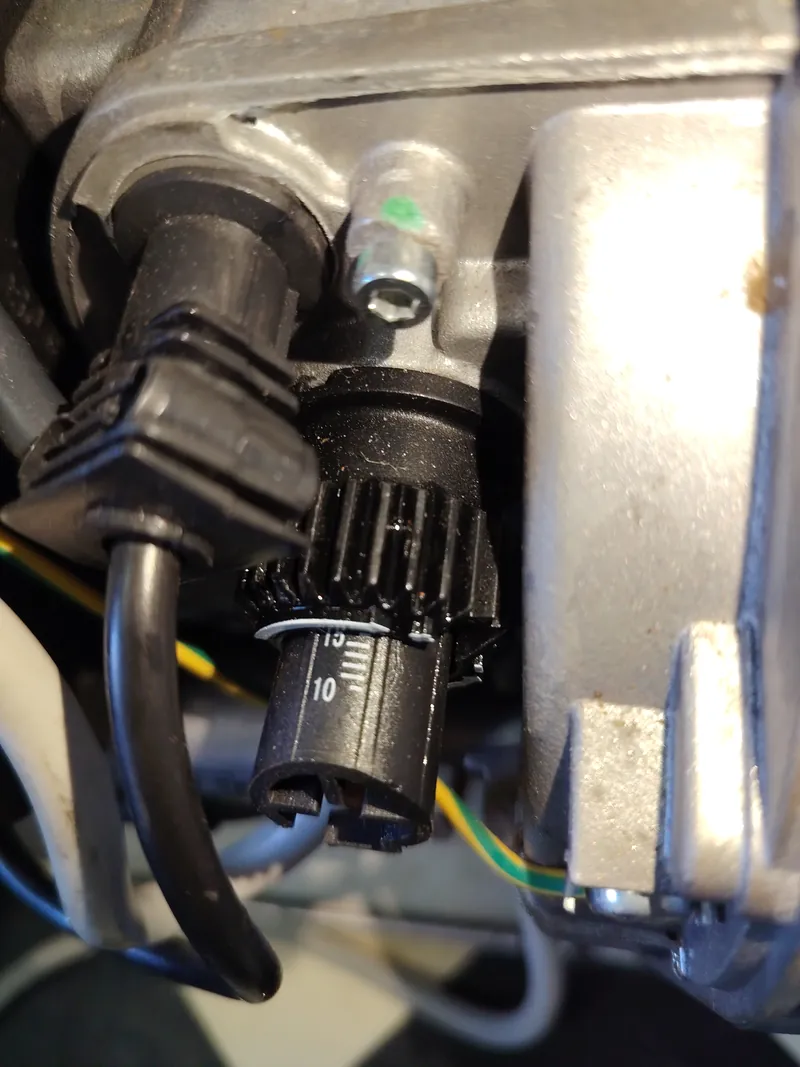
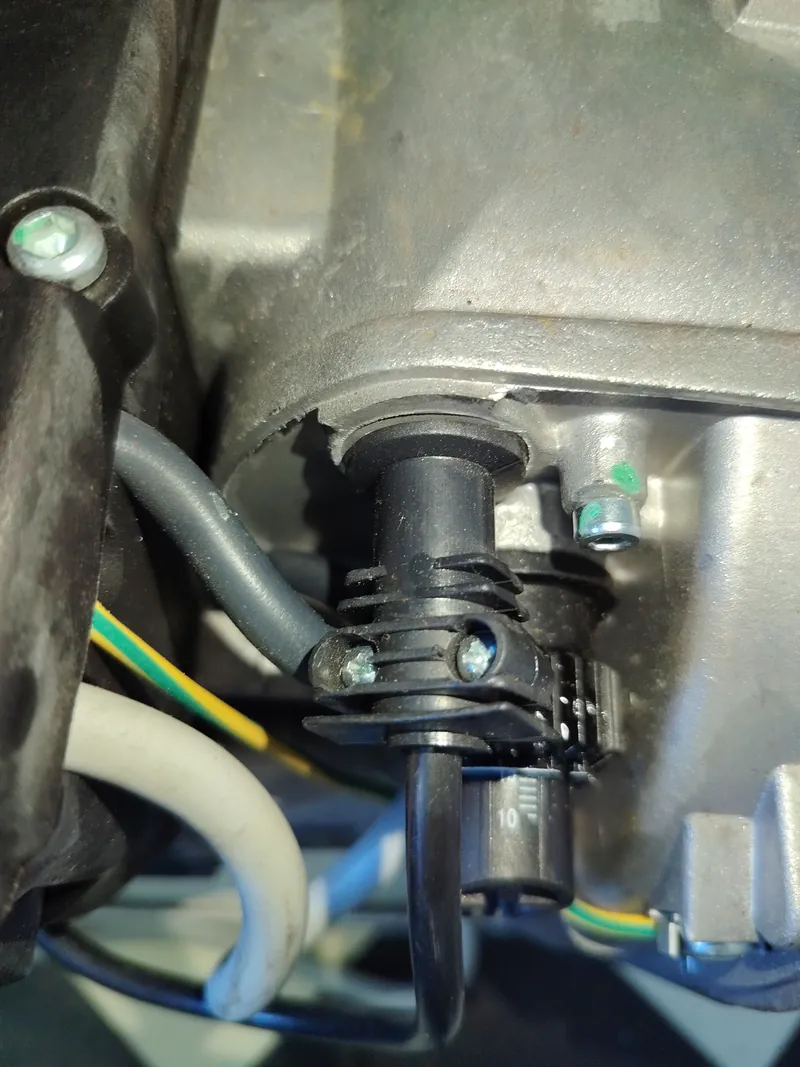
Once the chamber and baffles are cleaned and the new nozzle is in, the burner goes back on. On a Riello RDB the air is set with the damper on the side of the burner, which has a numbered scale. The starting point comes from Grant's data for this boiler, but the final setting is done with a flue gas analyser in the flue, not by eye. I am looking for the right CO2, a low smoke number and a flue temperature in the manufacturer's range.
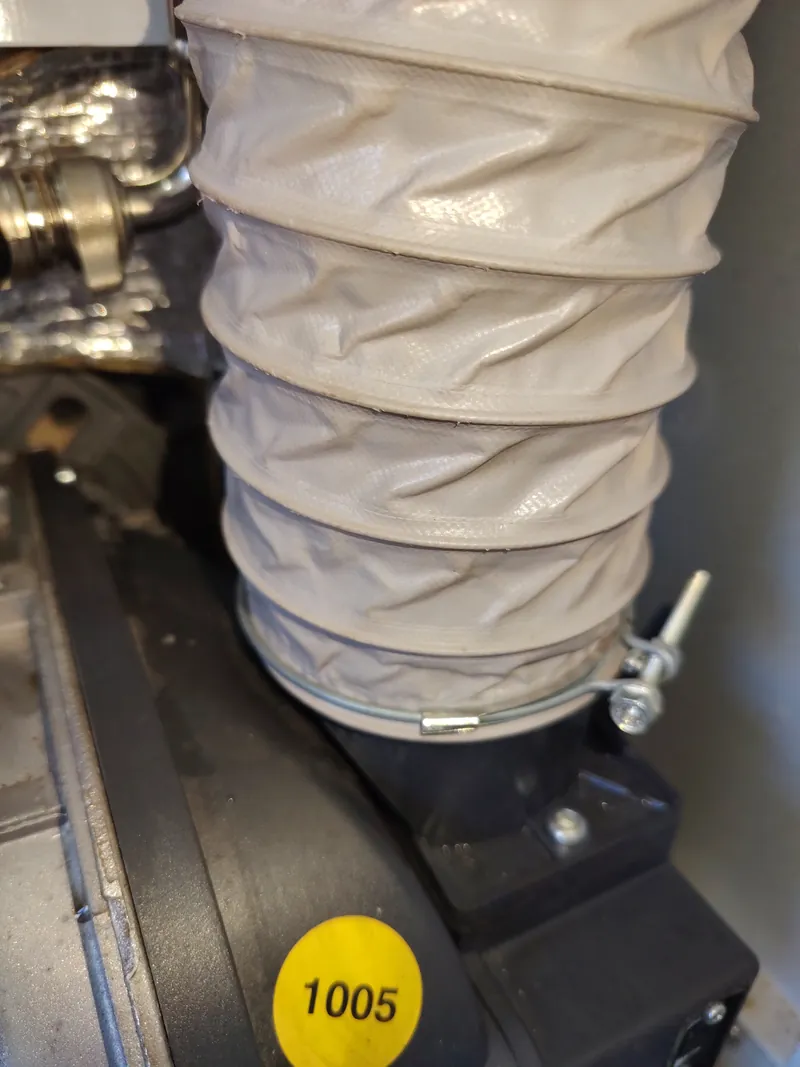
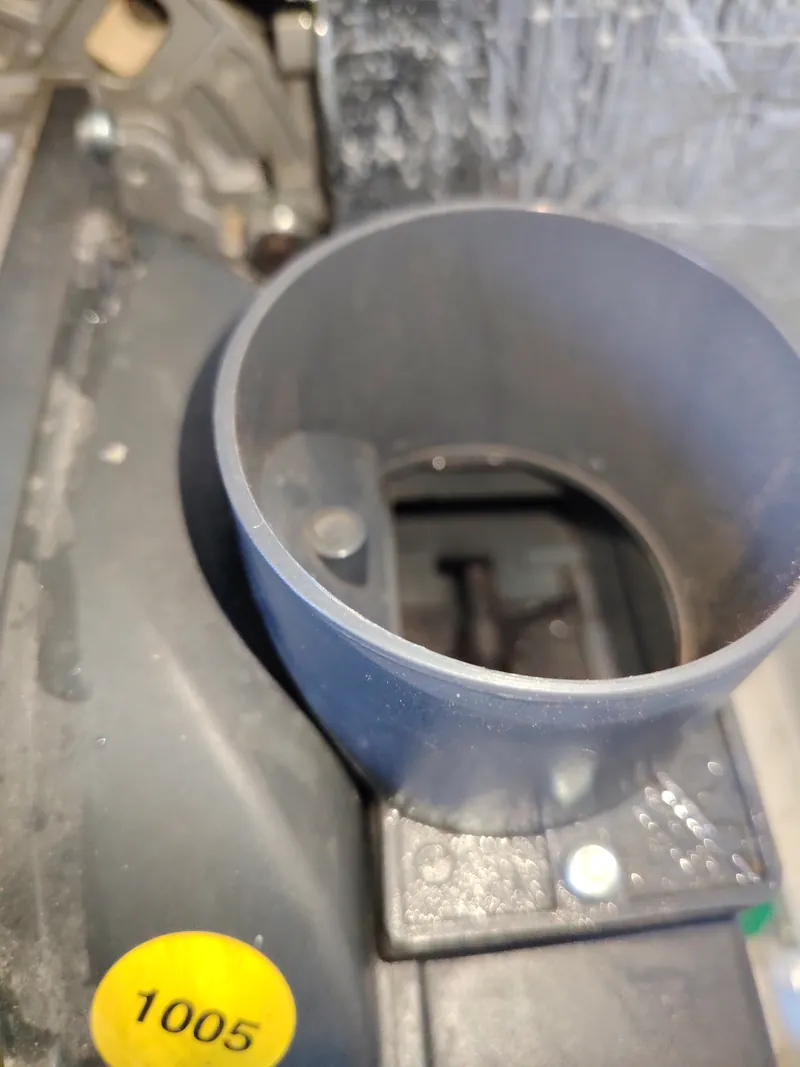
This boiler takes its combustion air through a flexible duct, often called a snorkel, that runs from the burner air intake to the balanced flue. The clips and the duct itself get checked for splits and a good seal. A leaking air duct lets the burner pull dusty room air and throws the combustion setting out.
"My oil boiler is not firing up." What customers tell me, and what it usually means
Nobody rings me to say their condensate trap is blocked. They ring and say one of the things below. Here is what each one usually turns out to be on a Grant or Worcester oil boiler, what you can safely check yourself, and when to stop and call.
"The boiler is not firing up" or "it is dead, nothing is happening"
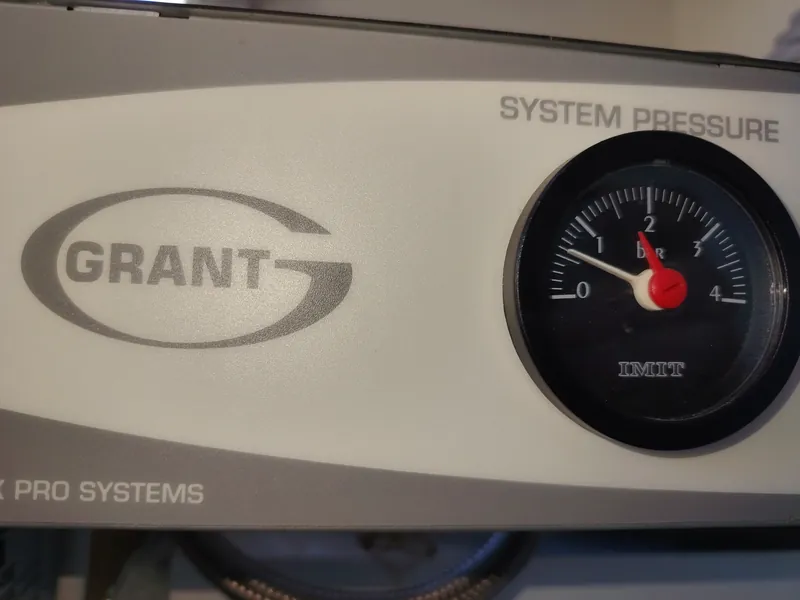
First look at the pressure gauge on the front. On a sealed system like this Vortex Pro System it should read between 1 and 1.5 bar when cold. If it has dropped to about 0.5 bar or lower, the boiler will not fire. Grant sealed-system boilers have a low pressure switch that cuts the burner to protect the pump and heat exchanger, so a low gauge is the first thing to rule out before blaming the burner.
What you can do
- Check there is oil in the tank. Running it down past the outlet pulls air and sludge into the line and is the single most common reason for a dead boiler in the villages around Exeter.
- Find the filling loop, a short braided hose with one or two small valves, usually under or beside the boiler. With the boiler off and cold, open the valve(s) slowly, watch the gauge, stop at about 1.2 bar and close them fully.
- Check the switch on the boiler panel is on, the room thermostat is turned up and the timer is calling for heat. It sounds obvious, and it is about one call in ten.
- If the pressure keeps dropping over days or weeks there is a leak or a tired expansion vessel. Do not just keep topping up: fresh water brings oxygen in and rots the boiler from the inside, which is how the Worcester Heatslave pinhole leak I repaired started.
If the gauge is fine, the tank has oil and there are no lights at all on the boiler, it is electrical: the fused spur on the wall, the fuse inside it, the on/off rocker switch on the Grant panel, or the overheat thermostat behind the panel which has its own small reset button. Grant rocker switches live in a warm, slightly damp cupboard for years and they do fail. A tripped overheat stat is a warning in itself, because something made the boiler overheat, and I want to know what before I reset it.
"The lights are on but nothing is happening"
Power is reaching the boiler but the burner is not running. Either the boiler is not being asked for heat (thermostat, timer or cylinder stat satisfied), the low pressure switch has cut it (see above), or the burner has tried and given up, in which case you will usually find the lockout light on. Listen at the boiler when the heating should come on. A click and a hum for a few seconds then silence means it tried. Nothing at all means it was never asked, or a control is not passing the signal.
"It has locked out" or "there is a red light on"
On the Riello RDB burner the reset button glows red when the burner has locked out, and Grant boilers repeat it on the control panel as a red or amber lockout light. Lockout means the burner tried to light, did not see a flame within the safety time, and shut itself down. The usual causes are no oil, air in the oil line, a worn nozzle, a dirty photocell, or a condensate trap or pipe that has blocked or frozen and backed up into the boiler.
What you can do
- Check oil and pressure as above.
- Press the red reset button once and wait. The burner will run its pre-purge and try to light.
- If the plastic condensate pipe outside the house is frozen, pour warm (not boiling) water along it, then reset.
- If it locks out again, stop. Repeated resets flood the combustion chamber with unburnt oil, which then lights with a bang and wrecks the baffles and door board. Two resets is the limit, then ring me.
The photocell is the part I check first on a boiler that fires, runs for ten seconds and locks out. It is a small light sensor that pushes into the side of the burner and looks at the flame. A film of soot or oil mist on its face, or a cell gone weak with age, and the control box thinks there is no flame even though there is. On every service I pull it, clean the lens and check it is seated. If a boiler has been locking out on and off I test it against a new one.
"It smells funny" or "there is black smoke from the flue"
Black smoke, sooty marks around the flue or a hot, acrid smell when the boiler runs all mean the oil is not burning cleanly. The burner is getting too much oil for the air, or the flue gases cannot get away. On Grant and Worcester boilers that is usually a nozzle past its life, an air damper knocked out of adjustment, baffles choked with soot, a failed door board or seal letting flue gas into the casing, or a combustion air duct that has split or come off. It is also what repeated lockout resets do to a boiler. Switch it off and ring me. A sooted boiler gets worse quickly, and a flue gas leak into the house is a carbon monoxide risk. If you have not got a carbon monoxide alarm near an oil boiler, buy one today.
"I can smell oil"
Kerosene has a strong smell and you should never normally notice it indoors. If you can, oil is getting out somewhere: a flexible oil line that has perished, a weeping joint at the pump or filter, a nozzle holder seal, or a tank or fire valve outside. Turn the boiler off at the switch, close the fire valve or the valve at the tank if you can reach it safely, and ring me. Do not keep pressing reset. A split oil line is exactly why the hose is dated and why it gets replaced at the service.
"The boiler is running but the radiators are not getting warm"
If the burner fires and the boiler itself gets hot, the problem is usually not the boiler. Work through: is the room thermostat up and the timer on for heating, not just hot water? Are the radiator valves open? Is the pump running (put a hand on it, you should feel a faint hum)? Are the radiators cold at the top (air, bleed them) or cold at the bottom (sludge, which needs a flush)? A boiler that fires, gets hot, cuts out and fires again every minute or two is usually not moving water: a stuck pump, a closed valve or a badly sludged system. If the boiler fires but only lukewarm water comes through, the burner is under-firing, which comes back to nozzle, pump pressure and the combustion set-up covered next.
What I do about all of this at a service: burner calibration
Most of the calls above are prevented by the part of the service nobody sees. The baffles, the steel plates stacked inside the heat exchanger that pull the heat out of the flue gases, come out and get cleaned and checked for warping. The combustion door's insulation board and rope seal are inspected. The oil pump has to deliver kerosene to the nozzle at a set pressure, typically between 8 and 10 bar depending on the boiler and nozzle. Too low and the spray collapses and the flame goes lazy and smoky. Too high and the boiler over-fires. I put a gauge on the pump and set it to Grant's figure, fit the correct new nozzle, and only then does the flue gas analyser go into the flue. I adjust the air damper until the CO2 is in the manufacturer's band, the smoke number is zero or one and the flue temperature is right, and those readings go on your service record. A burner set by ear, or by the colour of the flame, is a burner that is wasting oil and heading for one of the calls above.
What my oil boiler service includes
Burner and combustion
Riello burner removed and fully cleaned, new nozzle, electrodes checked and set, photocell cleaned, pump pressure set, oil filter checked, new long-life flexible oil line fitted.
Heat exchanger
Full clean-out of the combustion chamber, baffles out and cleaned, door seal and insulation board inspected, flue checked.
Condensate and water side
Condensate trap removed, cleaned and refilled with water, condensate pipe run checked for frost risk, system pressure, expansion vessel and pressure relief valve checked.
Test and report
Burner set up with a flue gas analyser, safety check of controls and safety devices, wear-and-tear check of components so you know what is coming, tank and fire valve looked over, and a written record of readings and findings.
The full service is £170 as weekday booked work, with no callout fee. That price includes the new nozzle and a new long-life flexible oil line, so there is no extra for the oil line fitted on this job. Larger parts such as a burner door board, photocell or control box are quoted before they are fitted. For a fuller breakdown see my oil boiler service checklist.
Grant and Worcester oil boilers around Exeter
Most of the oil boilers I look after are Grant Vortex models and Worcester Heatslave combis, in Shillingford St George, Ide, Kennford and Exminster on the south side, and the villages north and east of Exeter: Stoke Canon, Rewe, Silverton, Thorverton, Bradninch, Crediton, Cullompton, Tiverton, Ottery St Mary and Honiton. Servicing is the bulk of it, but I also do breakdowns, like this Worcester Heatslave heat exchanger leak, and new oil boiler installations when a boiler is past saving. If you are weighing up a repair against a replacement, my post on common oil boiler problems is a fair place to start.
Oil boiler service questions
How often should a Grant oil boiler be serviced?
Once a year. Grant and Worcester both require an annual service to keep the warranty, and oil burners drift out of adjustment and soot up faster than gas. The best time is late summer or early autumn, before the first cold snap when every engineer is busy with breakdowns.
How much does an oil boiler service cost in Exeter?
My full oil boiler service is £170 as weekday booked work with no callout fee. That covers the complete clean-out of the combustion chamber and baffles, cleaning the Riello burner, a new nozzle, a new long-life oil line, combustion test and a safety and wear-and-tear check. Larger parts such as a burner door board are quoted before fitting.
How long does an oil boiler service take?
Allow about an hour and a half for a Grant Vortex or Worcester Heatslave. Removing the burner, cleaning the baffles and setting up with an analyser cannot be rushed. A twenty-minute service has not done those things.
Can I reset my Grant oil boiler myself?
Yes, once or twice. Check the pressure gauge reads over 1 bar and there is oil in the tank, then press the red reset button on the burner once and wait for it to try. If it locks out again, stop and call an engineer. Repeated resets pump unburnt oil into the chamber and damage the boiler.
Why does my oil boiler stop working on cold mornings?
Usually the little plastic pipe that drains the boiler's waste water has frozen or blocked and backed up, which is exactly what was building up on this boiler. Other causes are a worn nozzle, a dirty photocell, a sticking fire valve or water in the oil tank. A service deals with the first three before winter.
About the engineer
I am David, the owner of Absolute Plumbing & Heating, a one-man business based in Stoke Canon, ten to fifteen minutes north of Exeter, trading since 2010. I am OFTEC trained with over ten years' oil boiler experience, and was trained by Grant UK. My OFTEC registration has lapsed, so I do not currently hold OFTEC registration for oil work; I am open about that and the work is done to the manufacturer's instructions regardless.
Gas work is carried out and signed off by P Harman, a Gas Safe registered engineer I work alongside.
Book your oil boiler service before the cold weather
If your Grant or Worcester oil boiler has not been serviced in the last twelve months, book it now rather than on the first morning it will not start. Weekday booked work, no callout fee, and you get told what was found in plain English.
Full oil boiler service £170 across Exeter and surrounding villages
Monday to Friday, 8am to 5pm. Grant and Worcester specialist.
Call 07766 501664More about our oil boiler services in Exeter.